Why the proof matters before any engraving or print work
The proof process is there to protect the meaning behind a keepsake. When a name is engraved on jewellery, an inscription is added to an urn, or a photo book is laid out for a special occasion, even one missing letter can change the whole piece. A proof lets you check the details in plain view before production starts, rather than trying to fix a finished item later.
At our Lynnwood studio in Pretoria, we treat the proof as part of the order, not an extra step. It is especially useful for memorial gifts, where names, dates and wording often carry deep personal significance. For family gifts and bulk orders too, the proof gives everyone a clear reference point and keeps the final result consistent.
Think of it as a calm pause in the process. You review, we adjust if needed, and then production moves ahead with confidence.
What you will see in a proof
Depending on the item, a proof may show text only, a layout mock-up, or a visual arrangement of names, dates and image placement. It is not meant to be decorative. It is meant to be practical, so you can spot anything that needs correcting before the item is made.
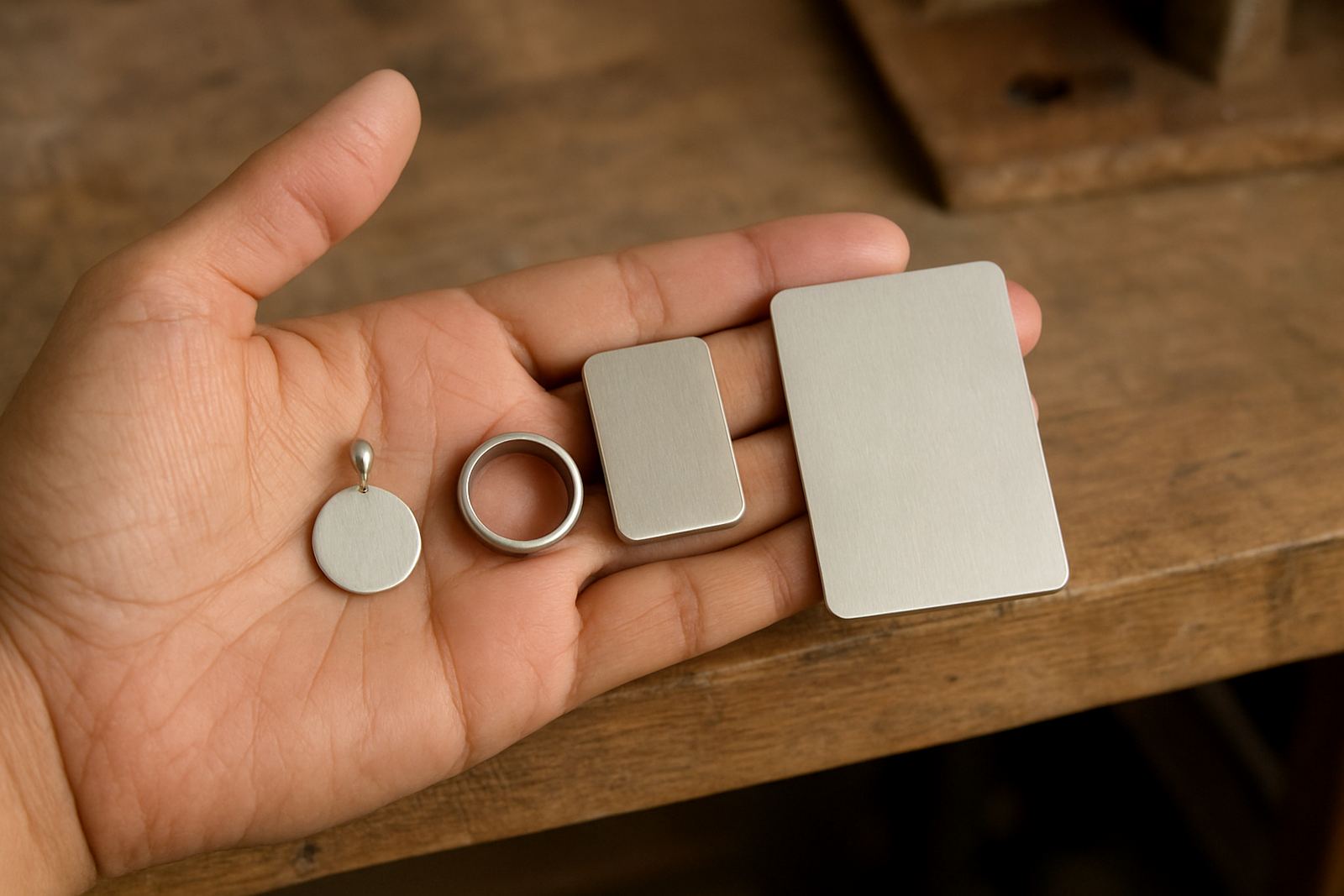
For engraved jewellery, the proof usually shows the exact wording, line breaks and character count. For photo books, it can show the cover title, page order and image positioning. For urn inscriptions and plaques, the proof helps confirm spacing, font choice and whether the wording fits the surface neatly. If there is a personalised message, the proof shows exactly how it will read once completed.
- Spelling of names and surnames
- Dates, initials and special symbols
- Line breaks and text spacing
- Photo placement and crop areas
- Font size and layout balance
How to review your proof properly
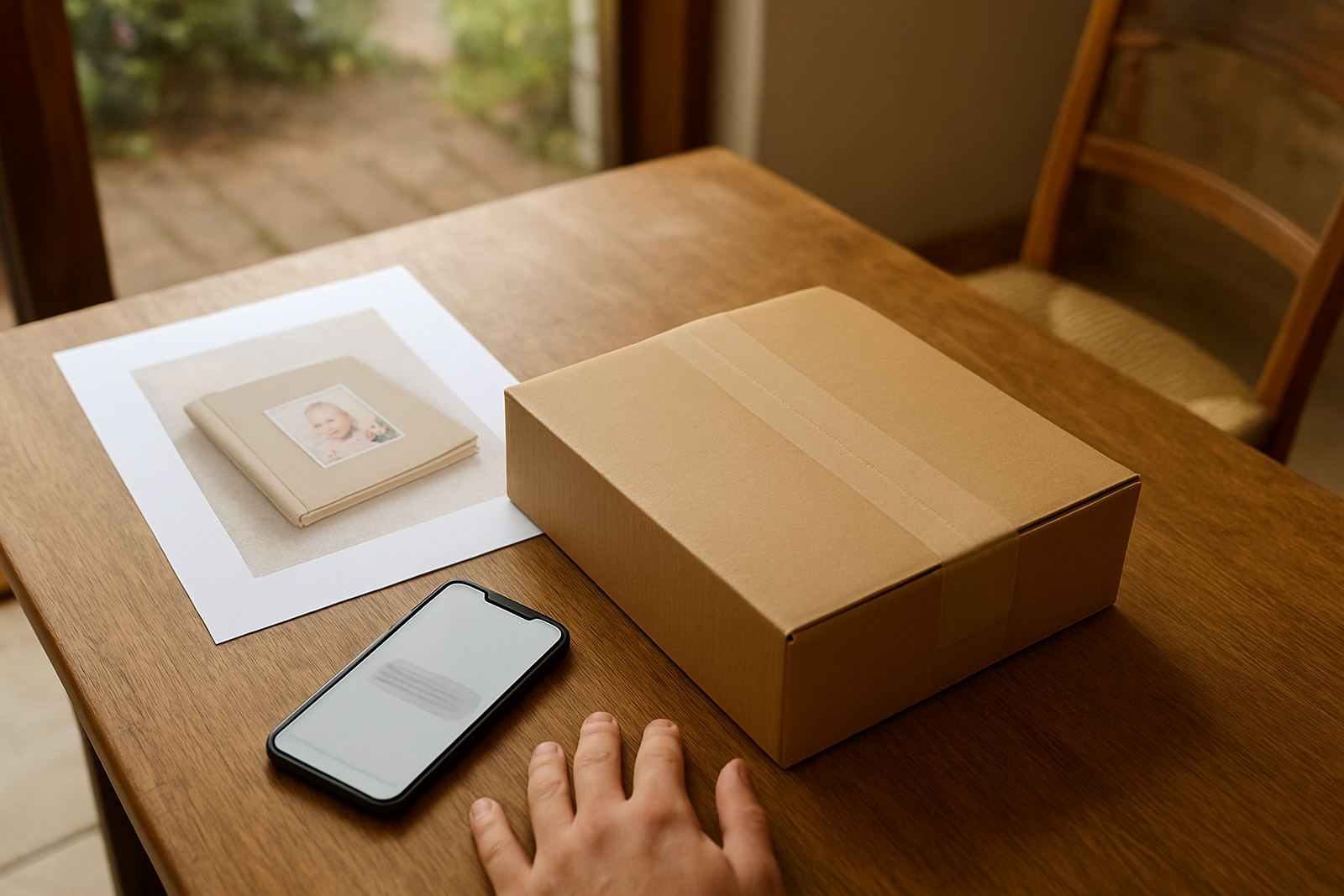
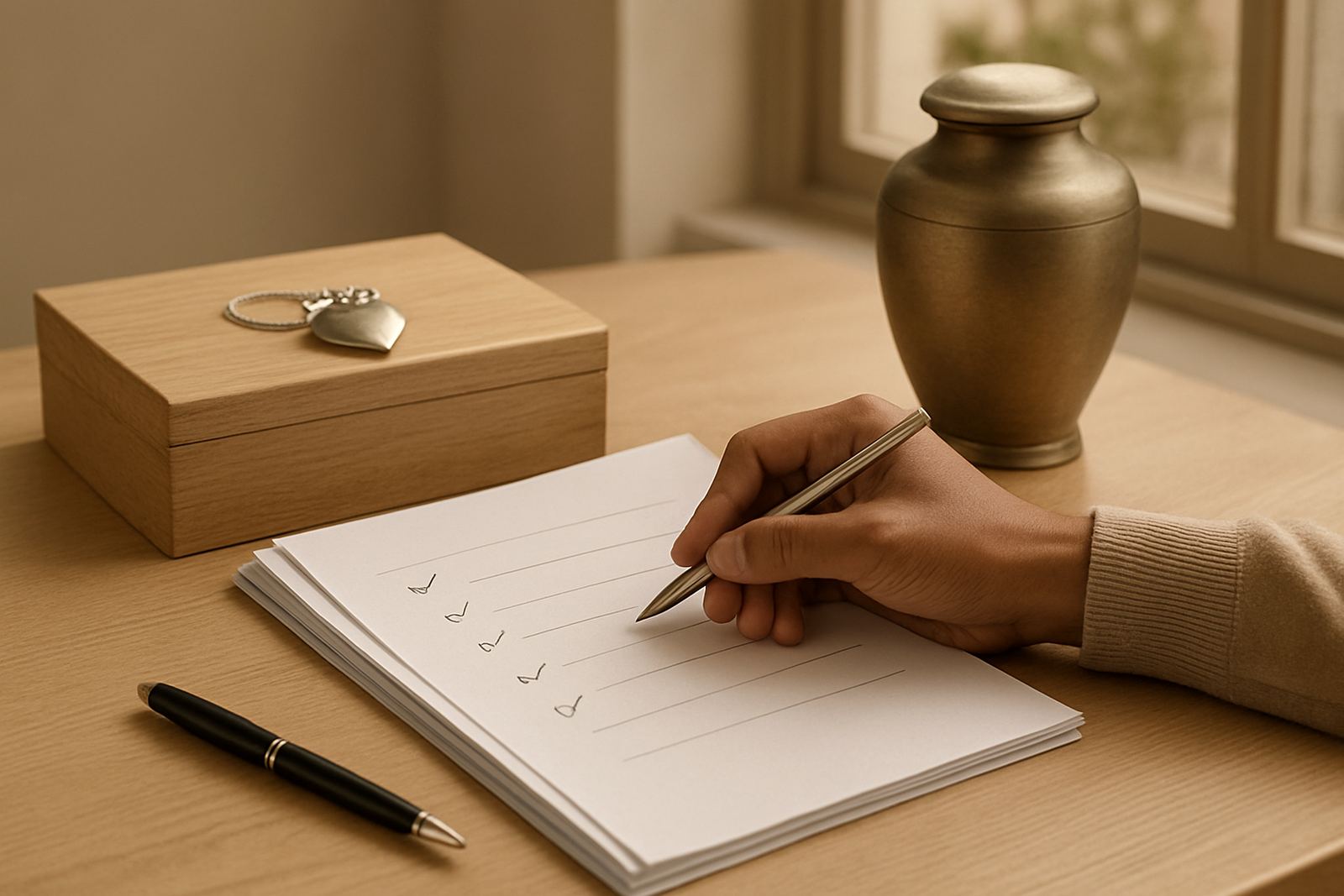
It helps to read the proof slowly and more than once. Many customers check the name first, then the date, then the layout. That order works well because the eye can skip over small errors if you read too fast. If the proof includes photos, make sure the right image is matched to the right page or section. If a memorial message is included, read it aloud. That simple step often catches a missing word or a line that sounds awkward.
When reviewing, compare the proof with the original details you gave us. If you are checking something on behalf of a family, ask one other person to review it too. Two sets of eyes are better than one, especially when several family names or dates are involved. A proof is also the right time to check small presentation choices such as whether you prefer a full first name or initials, or whether a date should appear in figures or words.
- Check every letter in names and surnames
- Confirm all dates and places are correct
- Look at spacing around symbols and punctuation
- Make sure photo captions match the correct images
- Read the message as it will appear on the finished piece
Common changes clients ask for before approval
Most proof changes are simple and quick. A name may need a hyphen added, a date may need the format adjusted, or a message may need to be shortened so it fits neatly. In some cases, a customer realises they want a slightly different tone, especially for memorial wording. That is normal and it is far easier to adjust at proof stage than after production.
For photo books, common requests include swapping one image for another, moving a title on the cover, or correcting the order of pages. For jewellery and plaques, customers often ask for a smaller font, or a second line to be moved so the engraving sits more evenly. With family orders, one person may spot that a middle name is missing, while another notices that the year has been typed incorrectly. That is exactly why the proof exists.
If an item has already been approved in writing, we proceed from there. So it is worth taking a few minutes to check carefully rather than rushing the sign-off.
Proof approval for memorial and keepsake pieces
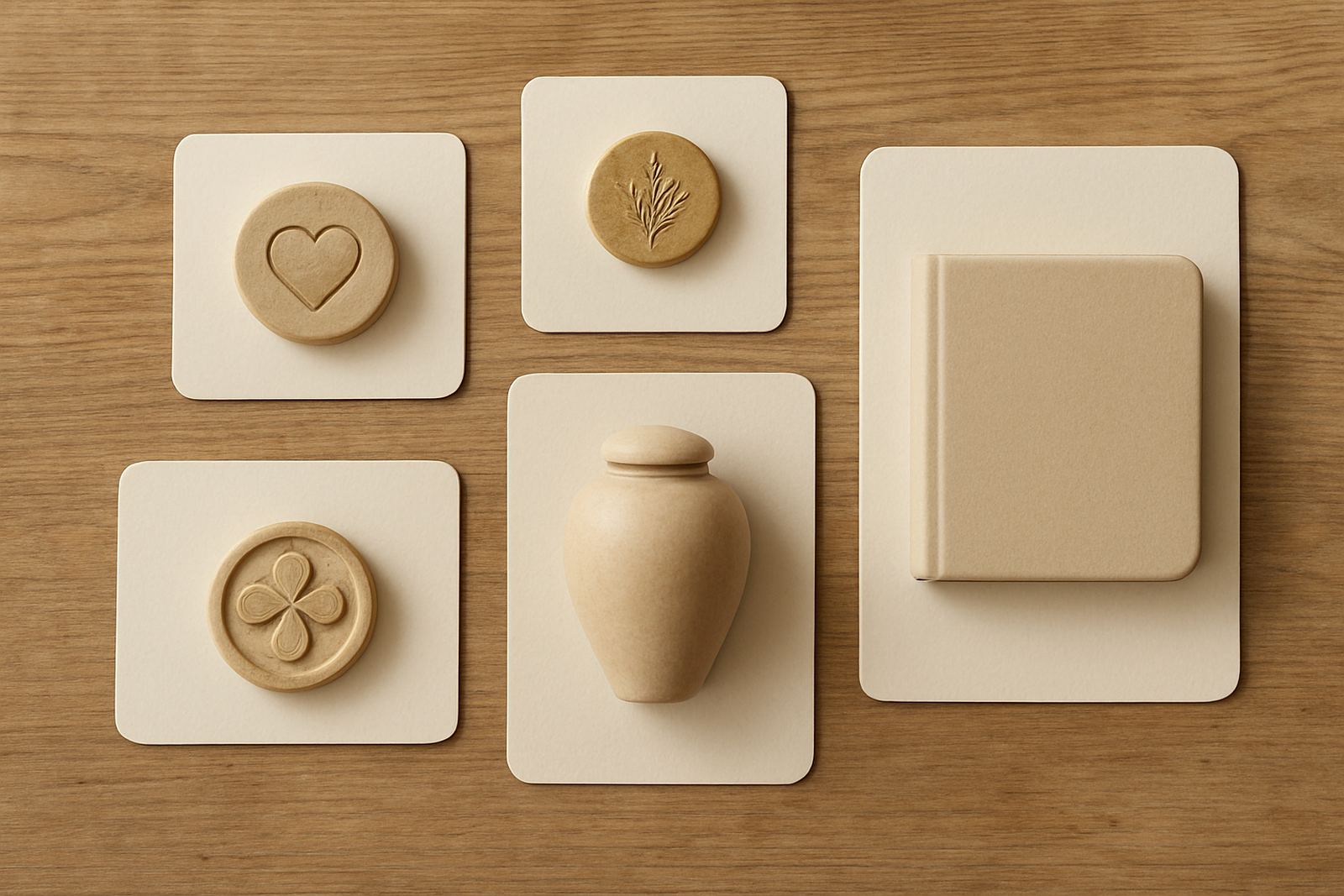
Memorial orders need particular care because they often carry emotional weight and are not easily repeated. When a keepsake includes a loved one’s name, life dates or a personal message, the proof is your chance to make sure the wording feels right and appears exactly as intended. For urn inscriptions, the size of the text and the spacing between lines matter just as much as the words themselves.
We often see families in Pretoria and surrounding areas using the proof stage to decide on the final wording together. For example, a family collecting from Lynnwood Pickup may start with one message, then decide to shorten it so it reads more clearly on a smaller plaque. Another family collecting through Menlyn or Centurion may want the same wording across several items, but with each person’s name added individually. In those cases, one master proof keeps everything aligned before production begins. It saves time and avoids confusion later on.
- Memorial wording can be shortened if the surface is limited
- Fonts may be adjusted for readability on smaller items
- Line spacing is checked carefully for urns and plaques
- Family names can be matched across multiple pieces
Courier delivery, pickups and final checks
Once the proof is approved, the order moves into production and then packaging. For customers using courier delivery nationwide, the proof is especially useful because it confirms the final wording before the item is wrapped and sent out. It is a practical safeguard when the package must travel a long distance and the finished piece needs to arrive ready for gifting or keeping.
Customers who collect from our Pretoria keepsake studio or from nearby pickup points such as Brooklyn, Garsfontein, Montana or Midrand still go through the same approval step. The location does not change the process. What does change is the convenience. Some clients prefer to review the proof at home and reply through the enquiry form on our contact page, while others ask to compare a few wording options before they approve.
Because we work with personalised items, final approval is not something to rush. A careful proof now means a cleaner result later, and it helps avoid disappointment if the item is intended for a funeral, anniversary or family milestone.
A simple way to approve with confidence
If you want to approve a proof with confidence, keep the check short and methodical. Look at the spelling, then the dates, then the layout. If the item includes a photograph, check that the crop and placement are correct. If there is a message, read it once for meaning and once for appearance. If anything feels unclear, ask for a revision before giving final approval.
A good proof should answer one question: is this exactly how you want it to appear? If the answer is yes, production can move ahead. If the answer is no, even for a small detail, it is better to correct it at once. That is how we keep personalised gifts accurate, meaningful and ready for the moment they are needed.