Start with the object, not the sentence
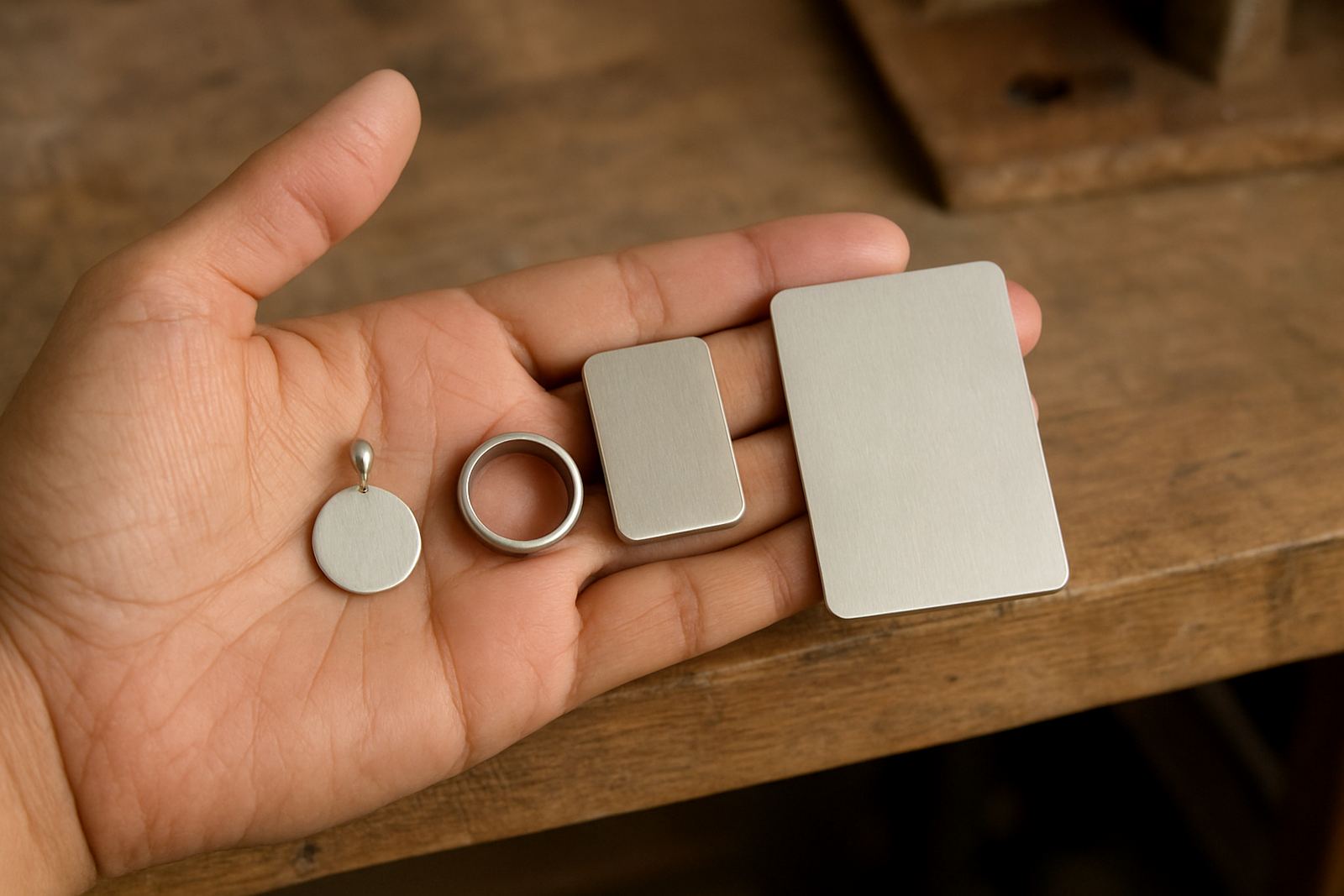
Different keepsakes allow very different amounts of text. A ring, small pendant or compact plaque may only take a name and date, while a larger urn panel or photo book cover can carry a longer message. The safest approach is to choose the item first, then shape the wording around its size and surface.
At our Lynnwood studio in Pretoria, we often help customers shorten a message without losing its meaning. A full tribute can become a few words that still feel personal. For example, instead of trying to fit a full paragraph onto a pendant, you may use a name, one date, and a short line such as “Always with us” or “Forever in our hearts”.
- Small surface: name, initials, one date
- Medium surface: name, dates, short phrase
- Large surface: message, verse, photo caption, family line
What fits on jewellery and small keepsakes
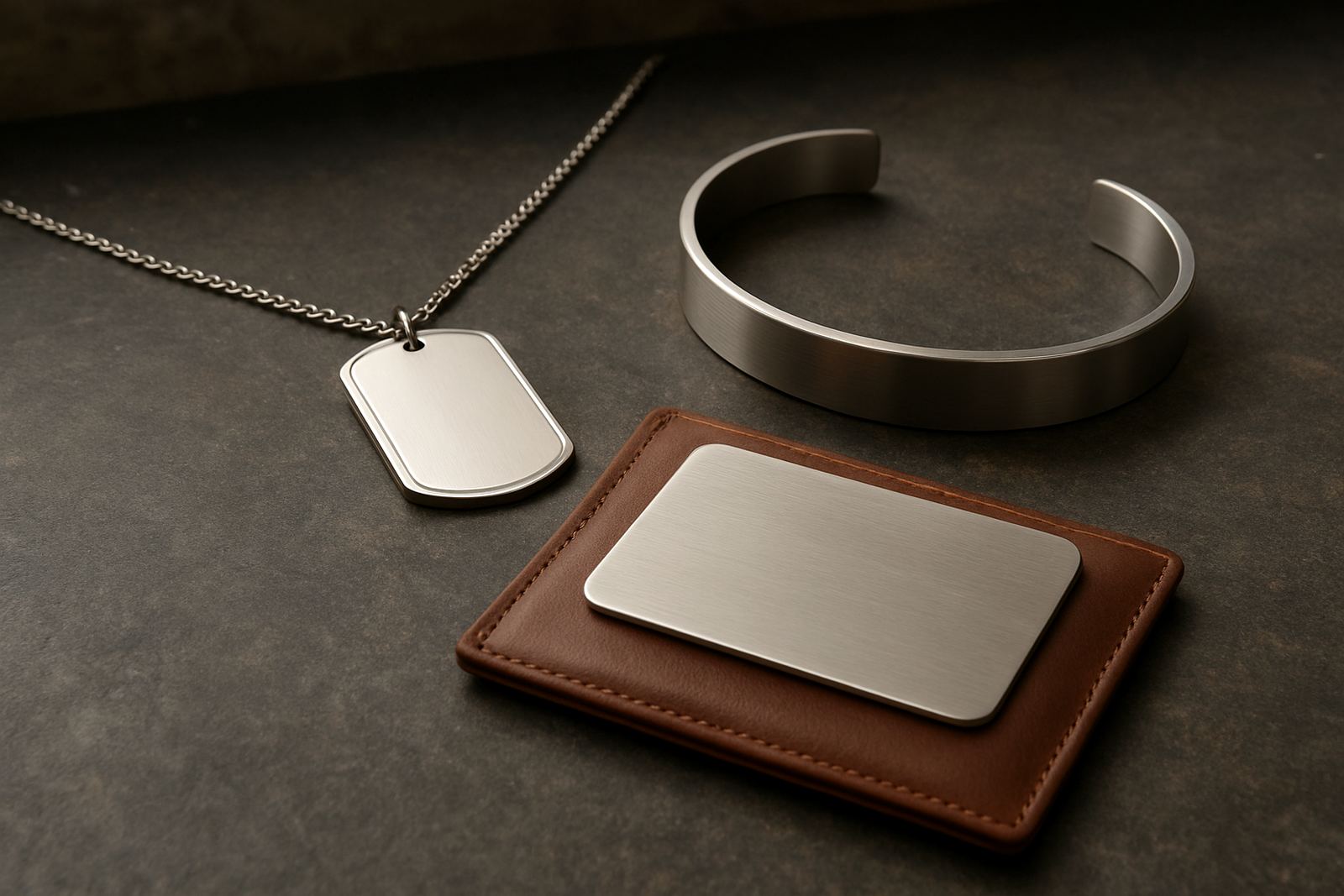
Jewellery offers the least space, so the wording needs to be tight and clean. A pendant or bracelet tag usually suits one to three short elements. More than that can become hard to read, especially once the piece is worn daily and exposed to movement, moisture and the odd knock. In coastal areas and in homes where humidity is high, a simple layout also tends to stay legible for longer.
We usually suggest keeping jewellery personal but brief. A date of birth, a date of passing, a nickname or one short line is often enough. If you want a longer sentiment, it is often better placed on a card, gift box insert or a small accompanying plaque rather than on the jewellery itself.
- Best for: names, initials, short dates
- Works well: 1 to 4 words
- Usually too much: long poems, full letters, several names
One engraved piece can still hold the shared meaning when it is meant for a whole family group. A single surname with a date range may do the job when space is tight and the item is meant to be worn close to the body.
Urns, plaques and memorial pieces can carry more, but not endless text
Urns and memorial plaques usually offer more room than jewellery, yet the surface is still not unlimited. The shape of the item matters. A flat front panel is easier to work with than a curved or tapered surface. Matte finishes, brushed metal and clear stone surfaces usually give the best result for longer inscriptions.
For these pieces, a balanced layout is more important than a large word count. If the wording is too dense, it can look crowded from a distance and may not age well. A neat layout with well placed line breaks often gives a more dignified result than trying to squeeze in every word you wrote.
- Good options: full names, dates, short verses, family dedication
- Consider line breaks to improve spacing
- Allow extra room for longer surnames or multiple family names
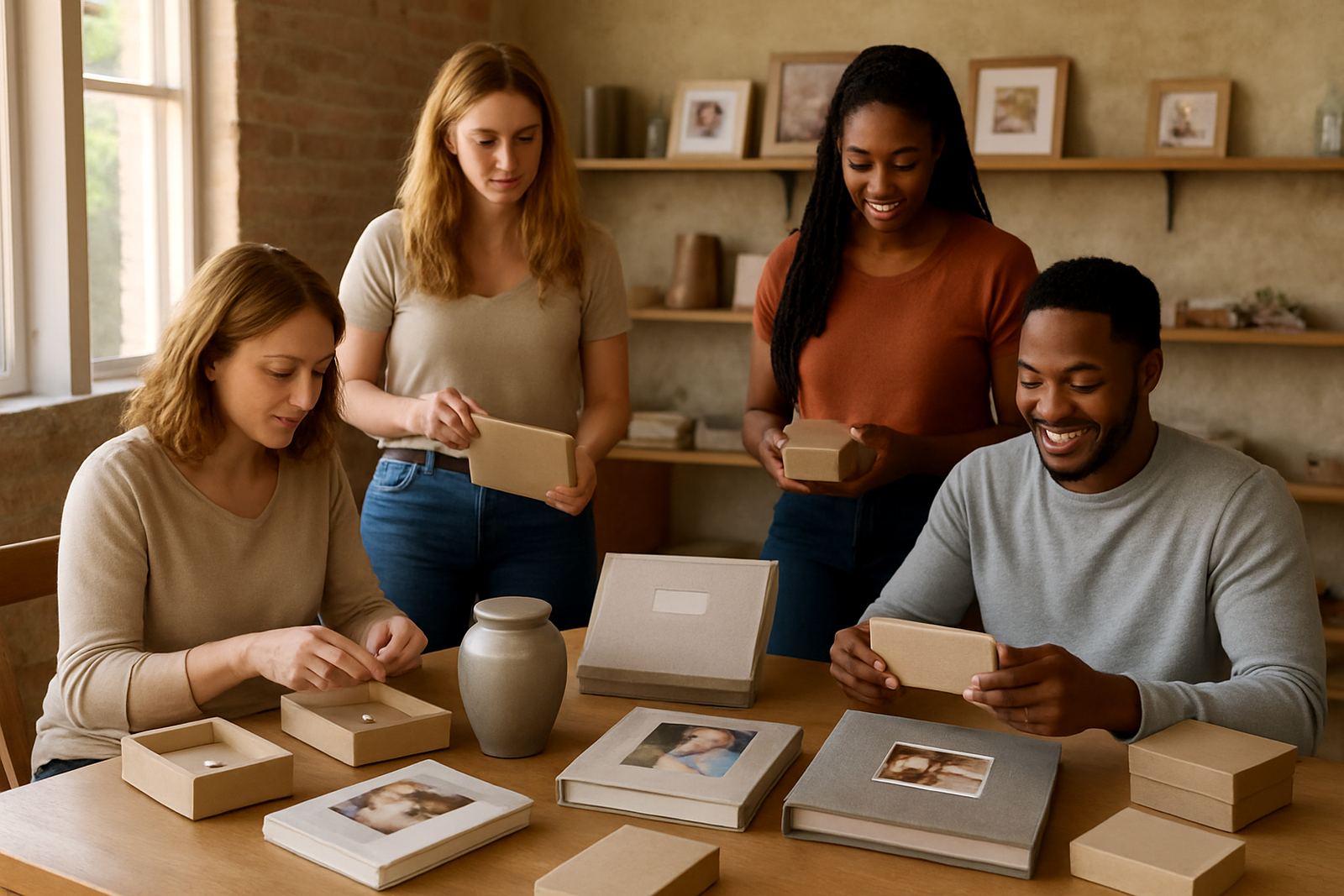
When customers in Pretoria collect from Lynnwood, Menlyn or Brooklyn, we often show how the same message looks in three layouts. That makes it easier to choose the version that reads clearly without overfilling the space.
Photo books and cover personalisation give you more breathing room
Photo books are ideal when you want a fuller story. Because the message can be spread across a cover, spine or title page, you are not forced to cut the wording down quite so much. This is useful for remembrance books, family milestones and tribute books for anniversaries or memorial services.
Cover personalisation also gives flexibility. You can keep the front cover simple and place a longer message inside. That works well when the keepsake is meant to be shared with relatives, or when you want a piece that can sit on a shelf and still feel complete.
- Cover title: 2 to 6 words is usually safest
- Inside title page: longer message or dedication
- Best for family stories, captions and multi photo layouts
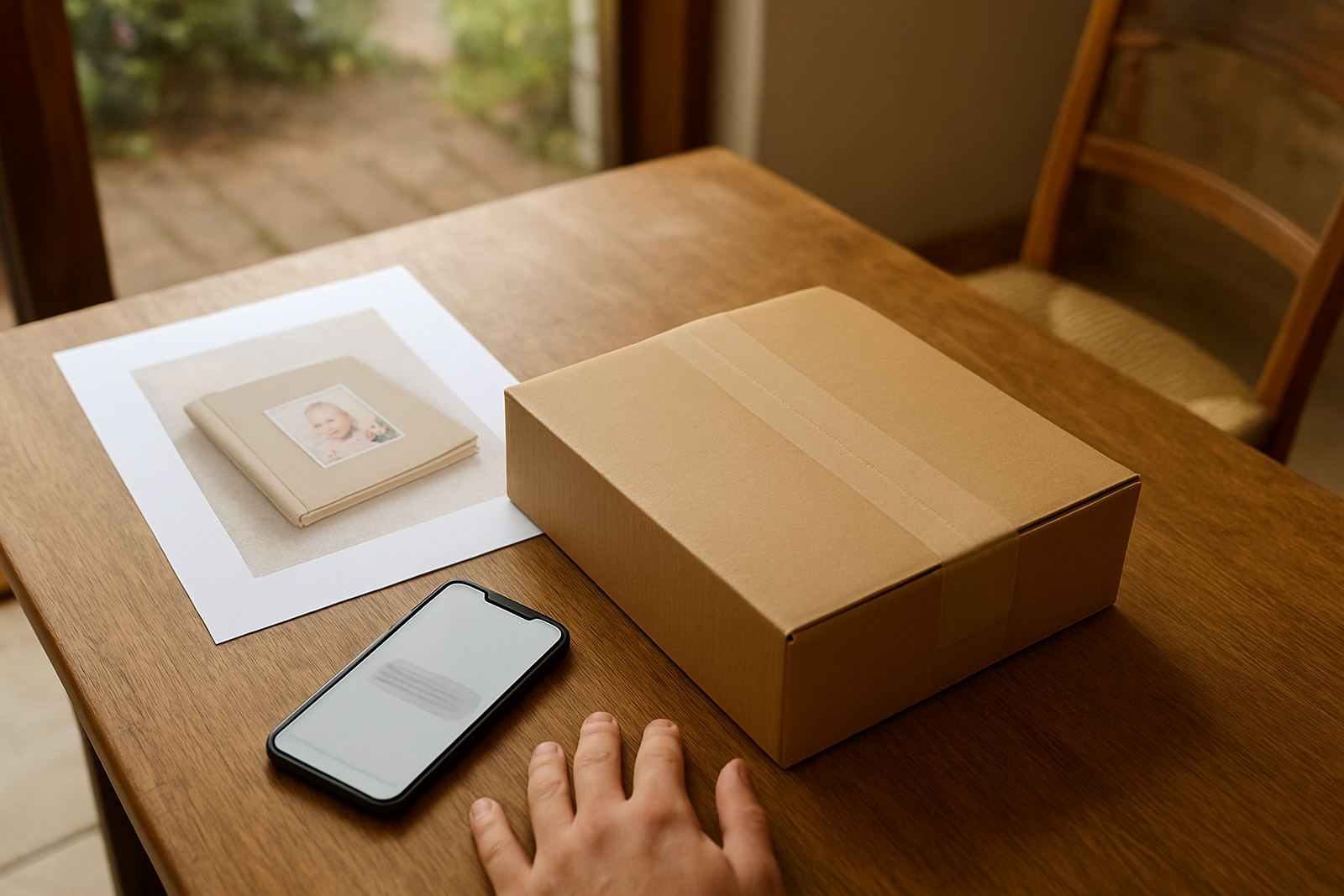
Consistency matters when a bulk family set is being made. Small changes in spacing and punctuation can alter the final look, so it helps to approve the proof before production begins.
How to shorten a message without losing the heart of it
Most people do not struggle because they lack words. They struggle because they have too many. The best way to edit is to keep the strongest part of the message and remove repeated ideas. A good rule is to keep names, dates and one feeling or memory. Anything beyond that needs space, and not every keepsake has enough of it.
Try this method when you are preparing wording for engraving or inscription:
- Write the full message first
- Circle the most important words
- Remove repeated phrases and extra filler
- Check whether the item is small, curved or narrow
- Read it out loud to see if it still sounds natural
A small typo or extra word can throw off the layout, so it is worth checking names, spellings and dates carefully. Once engraving starts, there is very little room to correct a mistake, especially on metal, stone or coated surfaces.
A Pretoria example: choosing the right length for a family keepsake
A Lynnwood family once needed a memorial gift for a parent and wanted to include a full verse on a small jewellery piece. The verse was meaningful, but it could not be read clearly at that size. We helped them move the verse to a printed insert and kept the jewellery engraving to the name, two dates and a short line. The result felt calmer and more respectful than forcing everything into one place.
That same approach works for customers collecting from Centurion, Garsfontein, Montana or Midrand. Courier delivery is available nationwide, but many people still like to see the item size in person before deciding on wording. A quick conversation about the shape and finish can save a lot of disappointment later.
When space is limited, the right words are usually the ones that can be read clearly in one glance. That is what keeps a memorial or gift looking thoughtful rather than cramped.
Practical rules before you approve engraving
Before you confirm an order, look at the piece as if you were seeing it for the first time. Is the message easy to read? Are the line breaks sensible? Will the wording still look neat if the item is handled often or packed into a gift box?
- Use shorter wording for small surfaces
- Keep names and dates accurate
- Avoid too many symbols or decorative extras on tiny items
- Match the message to the material and finish
- Ask for a proof when the wording is personal or lengthy
A little restraint usually gives a better result. A short, well placed message can carry more weight than a crowded one, especially on a keepsake meant to be held onto for years.