
A photo book for family stories
A single album can say a great deal when it is planned well. A photo book lets you group pictures by chapter, add names and dates, and keep memories in one place instead of leaving them scattered across phones, boxes and old hard drives.
For many South African families, that makes a photo book a practical way to preserve life stories. It can mark a child’s first day at school, a 50th wedding anniversary, a retirement, or the memory of someone who has passed on. The finished book becomes something you can open, share and pass down, which is often more meaningful than a loose stack of prints.
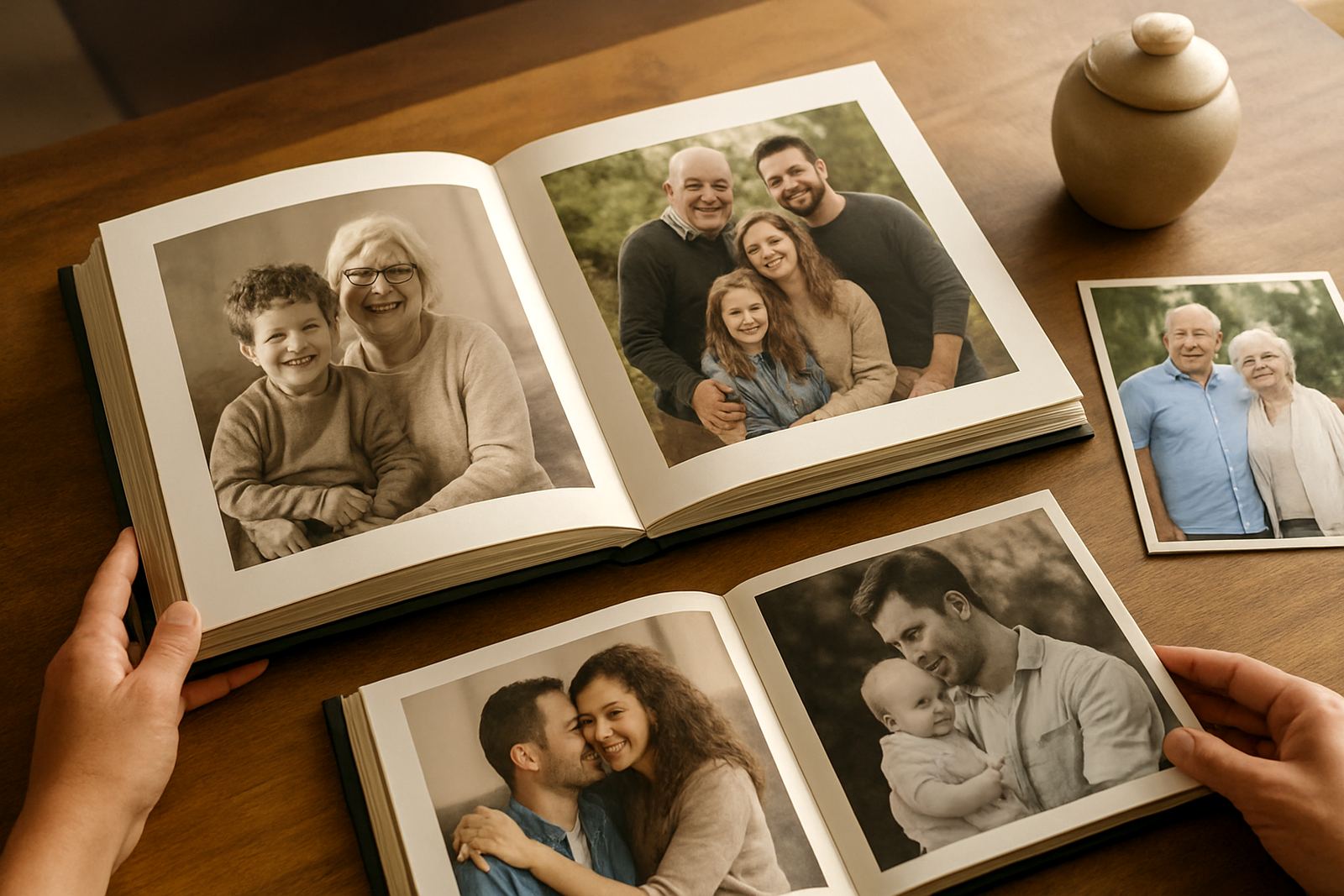
In Pretoria, families often bring together photos from different homes, relatives and generations. One book can combine a grandmother’s black and white photographs, recent digital images and handwritten names. That mix gives the book a proper family voice instead of a polished but empty look.
What makes a memory book feel personal, not generic
The strongest photo books are built around a clear purpose. If the book is for a memorial, it should feel calm and respectful. If it is for a wedding or anniversary, it may carry more celebration and colour. The layout, captions and cover should match the story you want to tell.
Think about the details people usually forget. A picture of a church hall becomes more powerful when the place and date are included. A family trip to the coast becomes easier to remember when the children’s names are there too. Those small notes give context, and context is what turns images into memory.
- Use full names where possible, especially for older relatives and children
- Add dates, towns and short notes for important moments
- Group photos by year, event or family branch
- Choose one style for captions so the book stays neat
- Leave space for one or two larger photos on important pages
How to prepare your photos before you start
Good preparation saves time and gives a better result. Start by sorting your photos into folders on your phone or computer, then remove duplicates and blurry images. If you have printed pictures, make sure they are clean and flat before scanning or photographing them.
When families send mixed files, the most common problem is poor order. A photo from 2008 can sit next to one from 2023 and the story gets muddled. It helps to write a simple timeline before the layout begins. That way the finished book flows from one chapter to the next instead of jumping around.
- Sort photos into chapters such as childhood, school, wedding, home and remembrance
- Check names spellings carefully before proofs are approved
- Choose the best quality image for each page spread
- Keep important old photos safe from moisture and sunlight while you gather them
If you live in a coastal area such as Durban or Gqeberha, old printed photographs can curl or mark quickly because of humidity. It is worth handling them carefully and storing them in a dry box while you prepare the book. In Pretoria, the dry winter air is kinder, but dust and direct sun can still damage prints over time, so careful storage matters too.
A practical way to tell life stories in pages
A photo book works best when it is more than just a gallery. Each section should answer a small question: where were we, who was there, and why does this moment matter? That simple approach helps the book feel like a story instead of a file of pictures.
For a memorial book, this may mean starting with childhood photographs, then moving through family life, work, hobbies and final tributes. For a heritage book, you may want to show the family house, the old village, the farm, or the first business premises. The aim is not perfection, but memory with structure.
A careful layout also helps older family members. Bigger captions, clean spacing and a sensible order make the book easier to read. If the book is shared at a gathering, people can follow it together and add their own stories while the pages are open.
A Pretoria example: keeping one grandmother's story together
A common request from Pretoria families is a book for a mother or grandmother who has carried many family memories. One family may have wedding photographs from the 1970s, school photos from the 1990s, and recent images from birthdays and Sunday lunches. Those pictures often live with different children and relatives, so bringing them into one book creates a proper record.
In a case like that, the family might begin with the grandmother’s early years, then add her marriage, children, home, work and favourite traditions. A simple caption under a photo of a church service or backyard birthday can say more than a long paragraph. That is what makes the book feel honest and close to home.
For Pretoria clients collecting items from Lynnwood, Menlyn, Brooklyn, Centurion, Silverton, Garsfontein, Montana or Midrand, the process is easier when the photos are grouped before pickup or courier handover. It means less back and forth and better proof approval, which matters when the book is for a memorial or a special anniversary.
What to include when the book is for remembrance
When a photo book is made in memory of someone, it should be thoughtful and steady in tone. You do not need dramatic wording. Clear photos, respectful captions and a calm page flow are usually enough. The book can honour a person without feeling heavy.
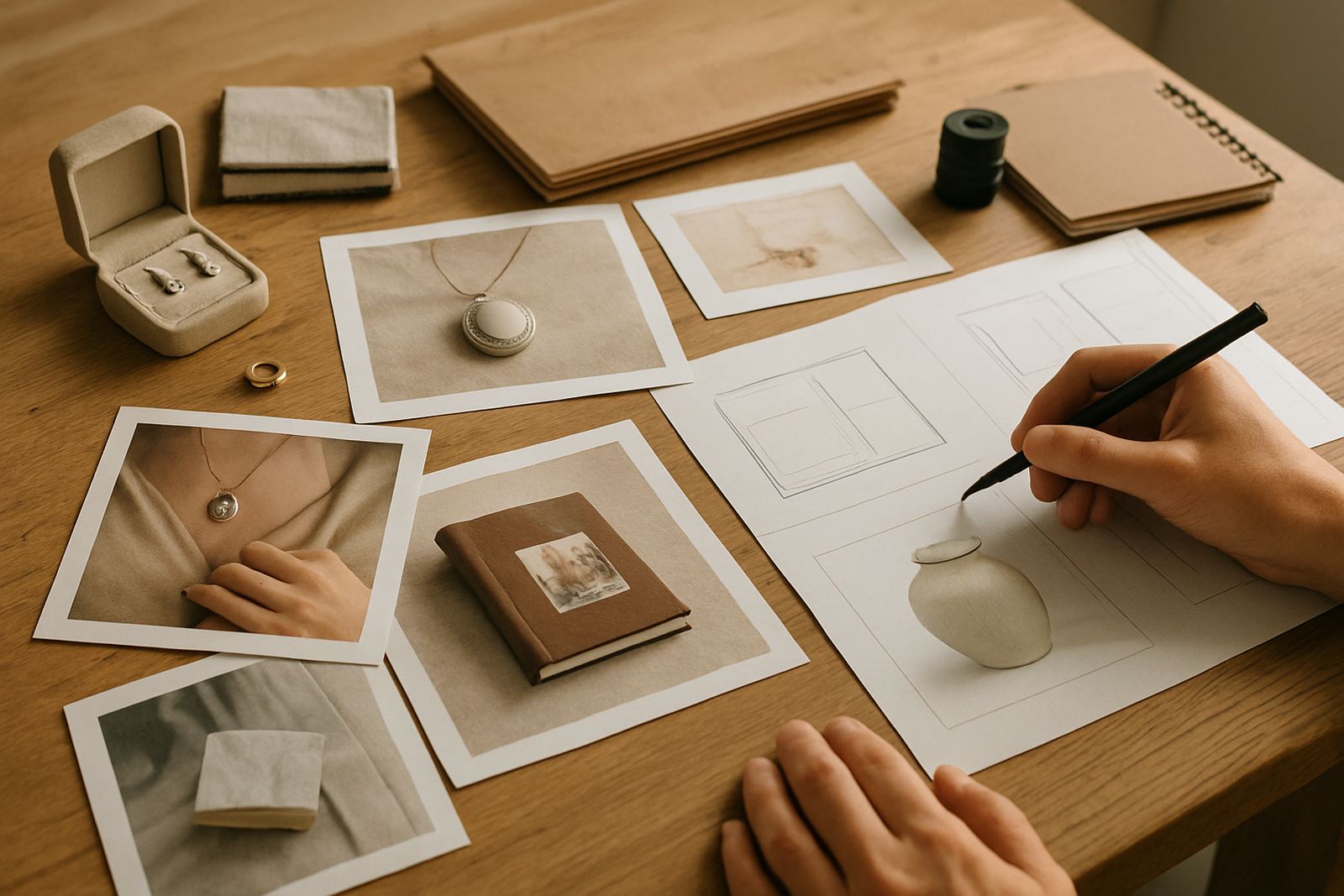
Good remembrance books often include a few written pieces as well as pictures. A favourite saying, a note from a child, or a short family message can give the book warmth. Some families also include an image of a special keepsake, such as a jewellery piece, plaque or urn inscription, so the memory feels complete.
- Use a simple title page with the person’s full name and dates
- Include family names where they help identify people later
- Add one or two written memories from close relatives
- Keep the colour palette calm and consistent
- Check that every image is suitable for long term keeping
A memorial book is often handled gently and opened often in the home, which is why people value it for comfort. That is why the print quality, binding and page order matter. It should be made to last, not only to look good on the day it is received.
From proof approval to safe courier packaging
Before a photo book is finished, proof approval gives the family a last chance to check names, dates and image order. This step is important because a tiny error can stay in the book forever. It is better to catch a missing middle name or the wrong year before production is complete.
Once approved, the book should be packed properly for collection or courier delivery nationwide. A sturdy box and careful wrapping help protect it from knocks, dust and moisture. That matters in summer when parcels can travel through hot depots and in winter when families in coastal towns deal with damp air.
Beloved works with customers from Pretoria and across South Africa through the enquiry form on the contact page, with pickup options available in nearby areas and courier delivery for the rest of the country. Whether the book is for one family or a bulk order for several relatives, the aim is the same: a finished keepsake that feels personal, tidy and ready to be handed down.