
Choose a calm place away from heat and strong light
The best place for a wooden urn is usually a stable shelf, cabinet or memorial corner where it will not be knocked, moved often or exposed to direct sun. In Lynnwood homes, and across Pretoria generally, afternoon light can be harsh on timber finishes, so avoid south facing windowsills that get long hours of light.
Keep the urn away from heaters, fireplace heat, kitchen steam and air-con vents. Sudden changes in temperature can cause wood to dry out unevenly or shift slightly over time. If the home has regular load-shedding, try not to place the urn near a backup lamp or charging station where heat builds up, it sounds minor but it can make a difference.
- Choose a level surface with a steady base.
- Keep it out of reach of pets and small children.
- Avoid areas with cooking grease or heavy moisture.
- Leave a little space around the urn for airflow.
Dust it gently and keep cleaning products mild
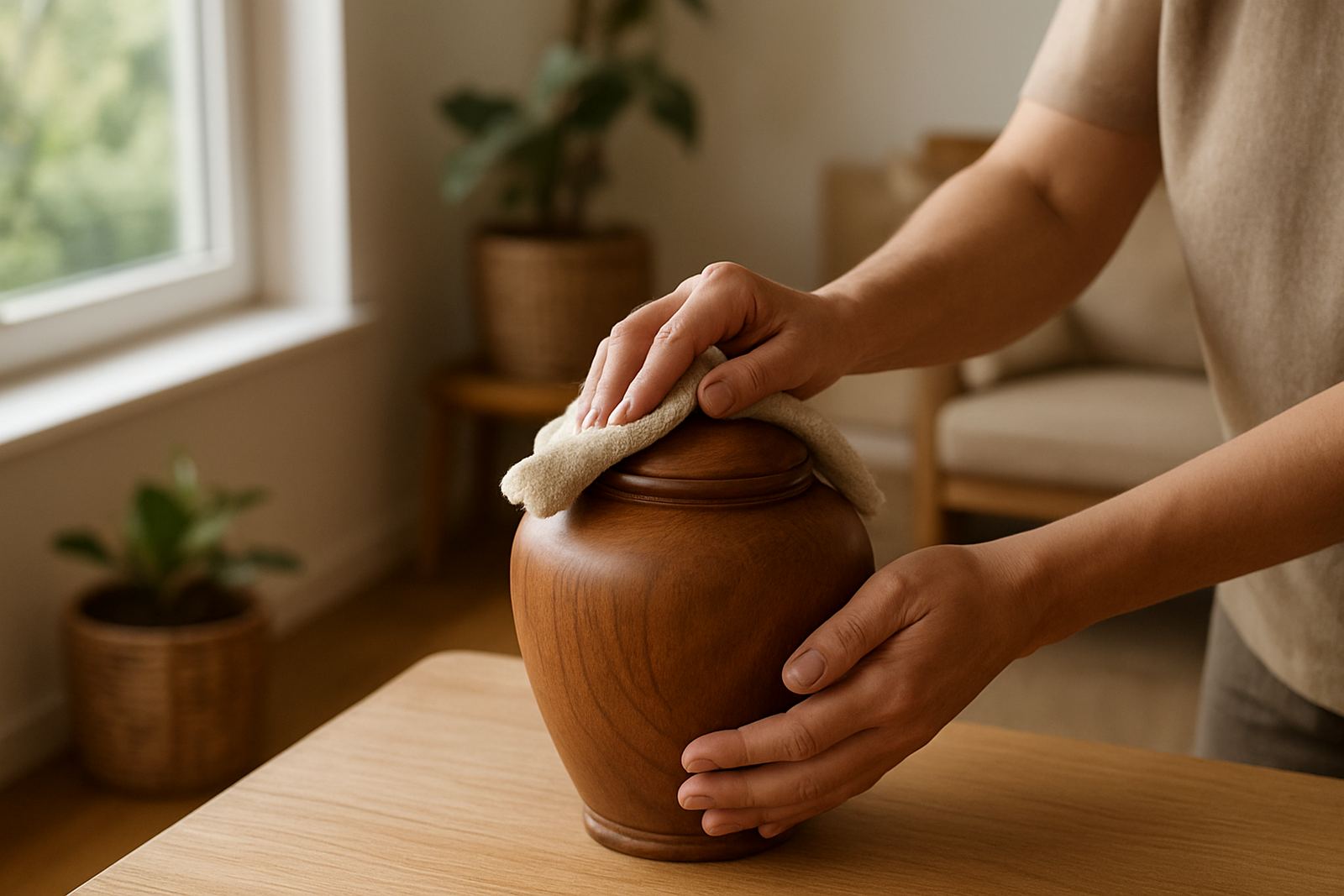
Wooden memorial pieces do not need harsh cleaning. A soft microfibre cloth or feather duster is usually enough for regular care. Wipe lightly along the grain, not across it, and never use abrasive pads. If the urn has engraved text, use a soft brush to lift dust out of the lettering.
For fingerprints or light marks, use a barely damp cloth and dry the surface straight after. Too much water can leave marks or raise the grain. Avoid multi-purpose sprays, bleach and furniture polish with strong solvents unless the maker has specifically approved it, because these can dull the finish or leave a sticky film.
- Dust once a week in a normal home, or more often if the room is open to road dust.
- Use a dry cloth first before trying any moisture.
- Never soak the wood.
- If a spill happens, blot it straight away instead of rubbing.
Manage coastal humidity and dry inland air differently
South African homes face very different conditions from place to place. In Durban, Gqeberha or other coastal towns, humidity can make timber feel slightly softer and can affect the surface sheen over time. In Pretoria, the air is often drier and sunlight is strong, so the concern is more about fading and gradual drying than damp air.
If you live near the coast, keep the urn in a room with good ventilation but not right next to a damp wall. If the wood begins to look tired, a very light application of a suitable wood conditioner may help, but only if it matches the finish. In dry inland areas a little routine dusting and shade goes a long way. A wooden urn should be treated like any fine keepsake, not a show piece that gets handled every day.
Protect the finish with sensible handling and soft accessories
Even a well-made wooden urn can pick up scratches from rings, keys and rough shelving. When moving it, hold it from the base with clean hands. If the urn sits on a shelf or sideboard, place a felt pad or soft mat underneath to protect both the urn and the furniture.
For families who want to keep the piece in a central part of the home, a glass cabinet or enclosed display space can reduce dust and accidental contact. This is useful in busy households and in homes where people come and go often. The point is not to hide the urn, but to create a place that feels respectful and safe.
- Do not place heavier items on top of the urn.
- Lift it, do not drag it across a surface.
- Use felt pads under decorative stands.
- If the urn has metal fittings, check them now and then for looseness.
Personalised engraving needs a light touch
If the urn has a name, date or short message engraved on it, the lettering should be kept clean without filling the cuts with polish or dust. A soft brush is ideal for this. If the engraving includes a photo plaque or nameplate, wipe that area separately so the wood and the insert are cared for in the right way.
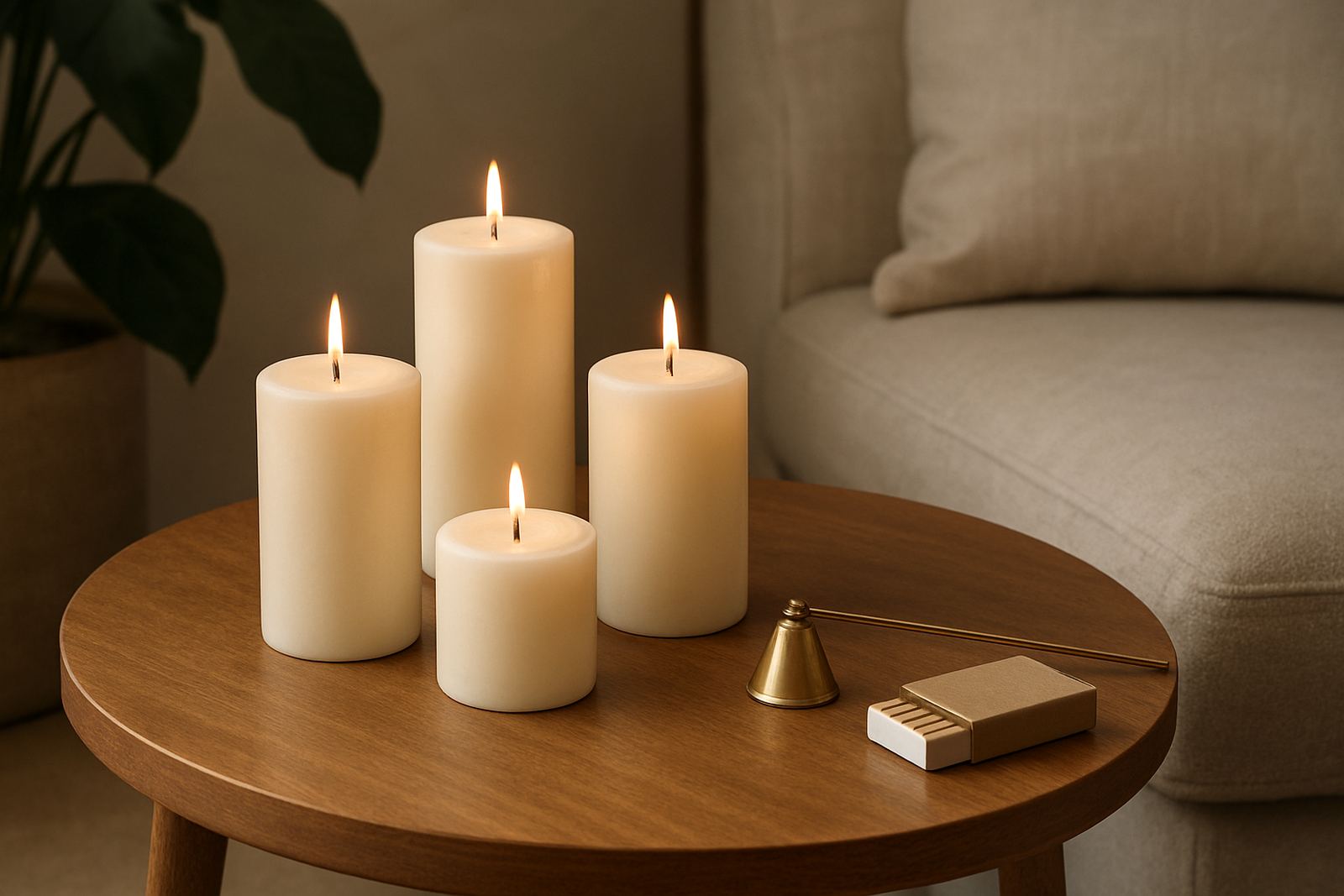
Families sometimes add small items around the urn, such as a framed photograph or candle. That can be beautiful, but make sure wax, smoke and soot do not settle on the timber. Open flames should be used with care and never left unattended. If you want a more permanent tribute, a plaque or engraved tag is often a better choice than a candle that gets used every day.
Plan for moving, storage and family sharing
Some wooden urns stay in one place for years, while others are moved between homes, memorial services or different family members. Before moving the piece, wrap it in soft cloth or bubble wrap and place it in a firm box so it cannot shift. Keep the urn upright and avoid putting pressure on carved edges.
If the urn needs temporary storage, choose a cool dry cupboard rather than a garage or roof space. South African garages can become very hot in summer and very cold in winter, which is not ideal for wood. When multiple relatives are involved, agree on who will keep the urn and where it will be placed, this avoids confusion and keeps the memorial space settled.
- Use clean wrapping material that will not scratch the surface.
- Label the box clearly if the urn is being couriered or stored.
- Do not store it near chemicals, paint or cleaning agents.
- When in doubt, keep it indoors in a dry room.
A careful routine brings lasting dignity
Caring for a wooden urn is not complicated. A little shade, gentle dusting and careful placement will preserve the finish better than any strong product ever could. The aim is to let the piece age with dignity, while still honouring the memory it holds.
For a Pretoria family in a townhouse near Menlyn or a home in Centurion with bright afternoon sun, the same basics apply: keep it steady, keep it dry, and handle it with respect. That small routine gives families peace of mind, and it helps the urn remain a calm part of the home rather than something that slowly wears down.