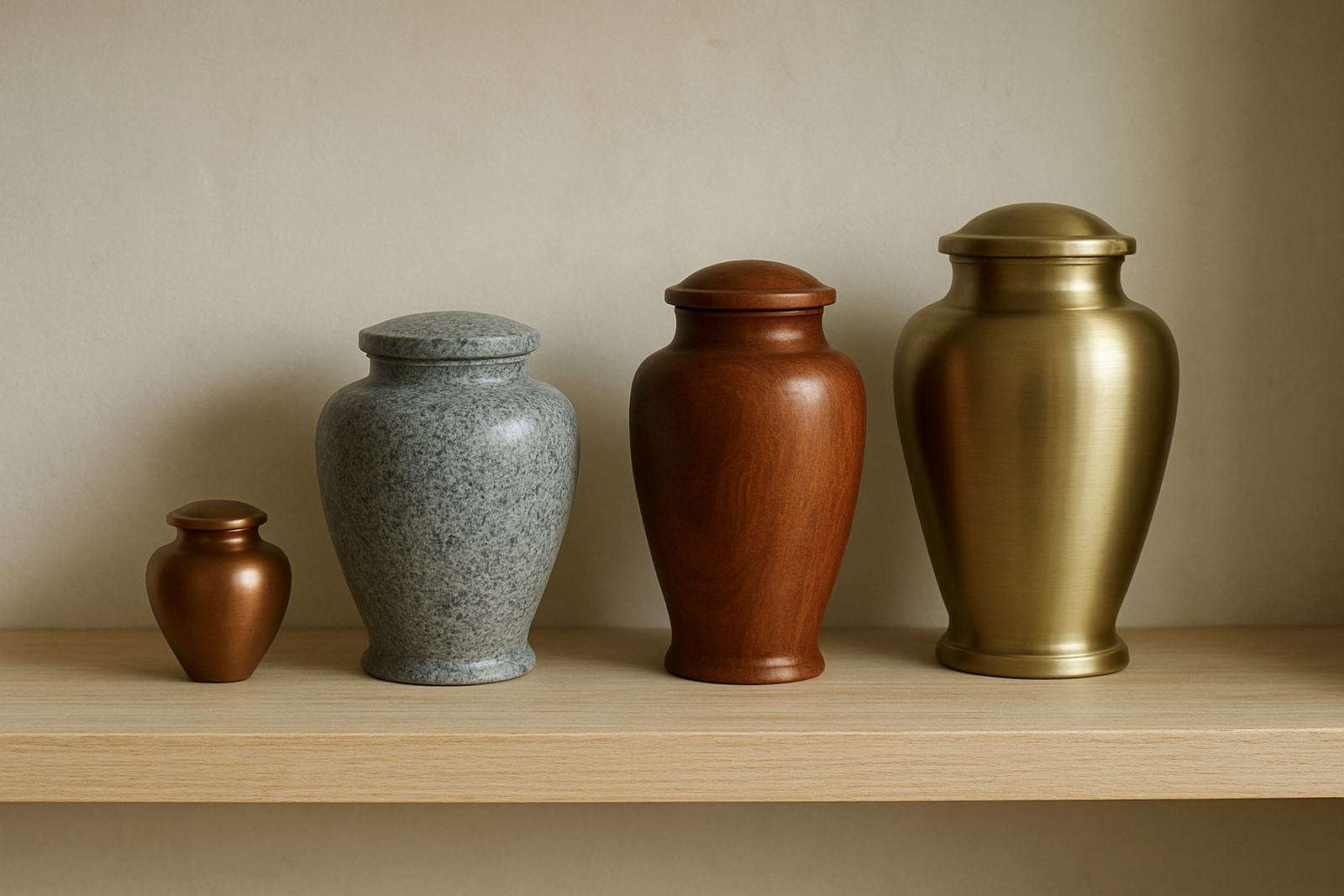
Start with the purpose of the urn
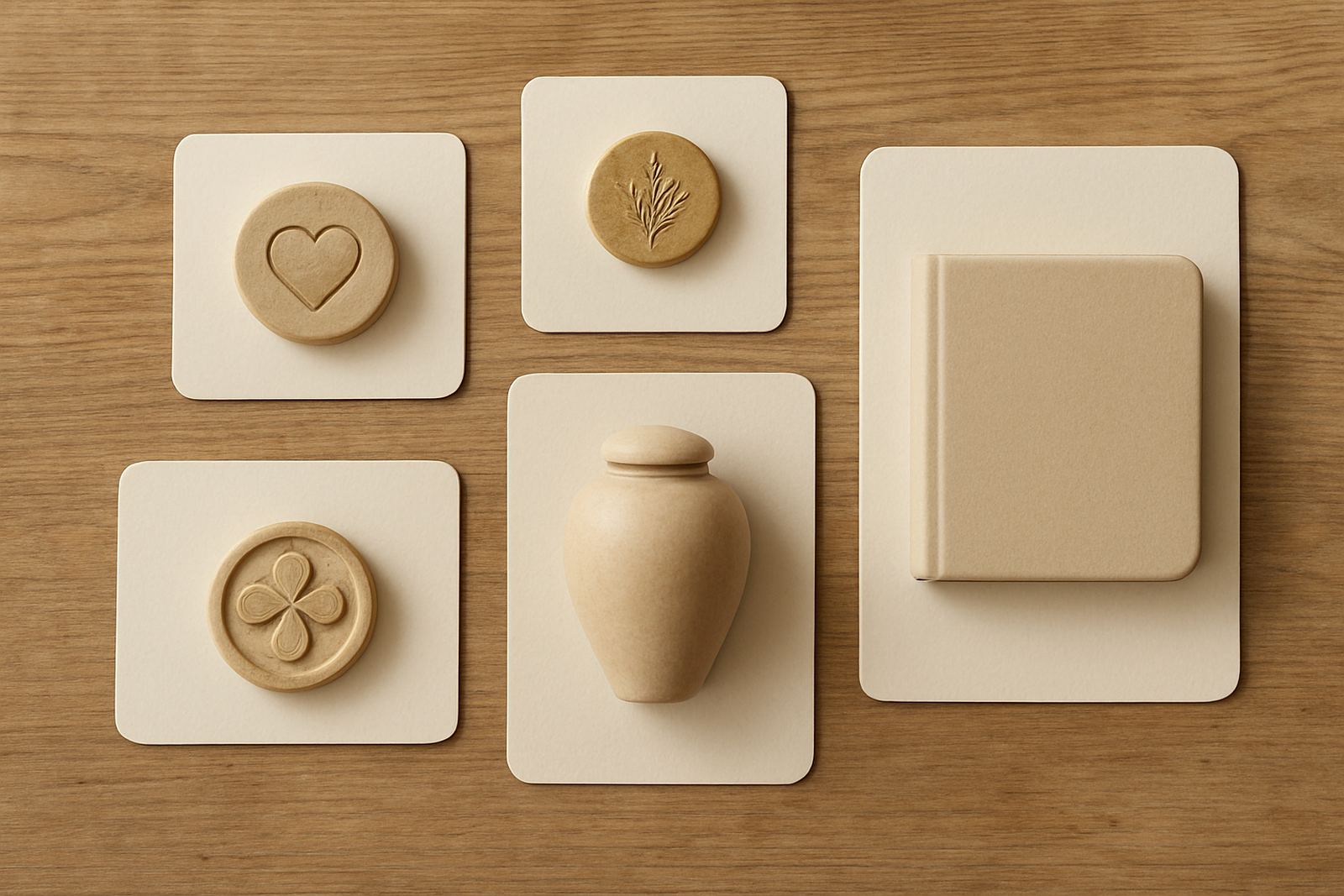
The first question is simple: will the urn stay in one home, travel between family members, or be used for a memorial service before being placed somewhere permanent? That choice affects the size, material and finish you need. A home display urn can be more decorative, while a sharing urn is usually smaller and easier to pass between relatives.
Families in Lynnwood, Menlyn or Centurion often choose differently depending on whether the ashes will stay with one person or be divided among siblings. If the plan is still open, choose a design that is dignified enough for display but practical enough for later movement. That gives you room to decide without having to replace it later.
- Home display: steady base, closed lid, neat finish
- Family sharing: lighter weight, smaller size, secure closure
- Memorial service use: easy to carry, easy to identify, suitable for engraving
Choose the right size before you choose the style
Size matters more than many people expect. An urn should hold the ashes comfortably, with enough space for a secure seal. If you are sharing ashes between family members, ask for the volume required for each portion before ordering. A beautiful urn that is too small becomes awkward very quickly.
Most families want a balance between dignity and practicality. For home display, a mid-size urn usually works well on a shelf, mantel or sideboard without taking over the room. For smaller keepsake use, compact urns are easier to place in a cabinet, niche or personal memorial corner.
- Check the volume needed before selecting the shape
- Allow extra room if a sealing method is used inside
- Consider where the urn will stand in the home, not just how it looks in photos
- For multi-person sharing, ask whether matching smaller pieces are needed
Material and finish should suit the home
The best urn is one that holds up well in the conditions where it will live. In Pretoria homes, dust and dry air can make polished finishes show fingerprints, while in coastal areas humidity can affect some materials over time. For that reason, the material should match both the setting and the amount of handling expected.
Common finishes include smooth metal, painted surfaces, ceramic, timber and composite materials. Each has a different feel in the hand and a different visual weight. A polished urn can look formal, while a matte finish often feels calmer and less reflective in strong daylight. If the urn will sit near a window, a shelf or a fireplace, think about fading, heat and cleaning as well.
- Metal can be neat and durable for regular handling
- Ceramic offers a classic look but needs careful placement
- Timber suits homes that prefer a warmer, natural feel
- Matte finishes are often easier to maintain in bright rooms
Engraving should be clear, balanced and accurate
Good engraving is one of the clearest signs of a well-made urn. The name, date or short message must be easy to read, correctly spaced and placed where it will not interfere with the shape of the piece. If the letters are too small or too crowded, the finish can feel rushed.
Families often ask for a full name, dates, a short line of remembrance or a symbol that carries meaning. Keep the text short if the urn is compact. Longer messages are usually better suited to larger surfaces or a separate plaque. In our experience, the best result comes from simple wording and careful proof approval before work begins.
- Check spelling, initials and dates before approving the engraving
- Use short phrases for smaller urns
- Ask for a layout proof if the wording is unusual
- Choose lettering that is easy to read from a short distance
Sealing and handling should give peace of mind
A good urn must not only look right, it must close securely. The lid, stopper or screw fit should feel firm, with no wobble or loose edge. If the urn will be moved between family homes, used in a ceremony, or placed in storage before a memorial, the closure becomes even more important. A neat finish means very little if the contents are not properly secured.
Ask how the urn is sealed and whether the closure is suitable for transport. Families who use courier delivery should also think about protective packaging, padding and how the item will be opened after arrival. This matters in our weather too, because sudden heat or damp conditions can affect the way some finishes sit in transit.
- Make sure the lid fits tightly and consistently
- Ask whether the base or closure is suitable for transport
- Choose packaging that protects the finish from scratches
- Keep the urn in a stable place away from direct sun and heavy traffic areas
A local example from Pretoria families
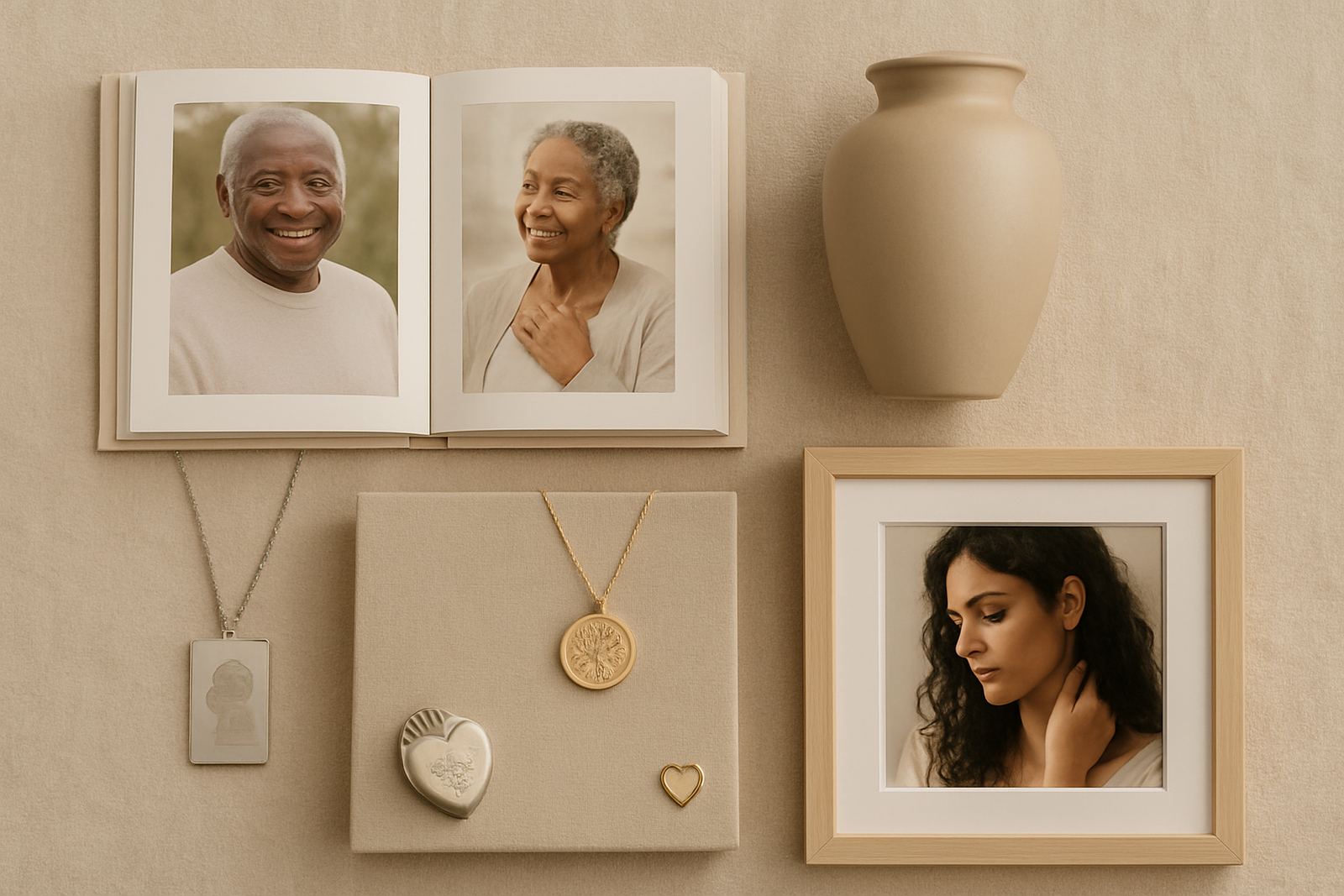
A family in Pretoria East may want one urn for home display and smaller keepsake pieces for siblings in Midrand, Montana or Brooklyn. In that case, the first decision is not style, it is how the ashes will be shared and where each piece will sit. If one family member keeps the main urn in a living room, while others prefer a smaller memorial piece, the design needs to work across all those uses.
That is why practical details matter so much. The wording must be correct, the finish must suit the home, and the size must be easy to place without crowding a shelf. When families plan ahead, they avoid pressure later and make a choice that feels respectful to everyone involved. A good urn should support that process, not complicate it.