
Start with a clean, dry place in the house
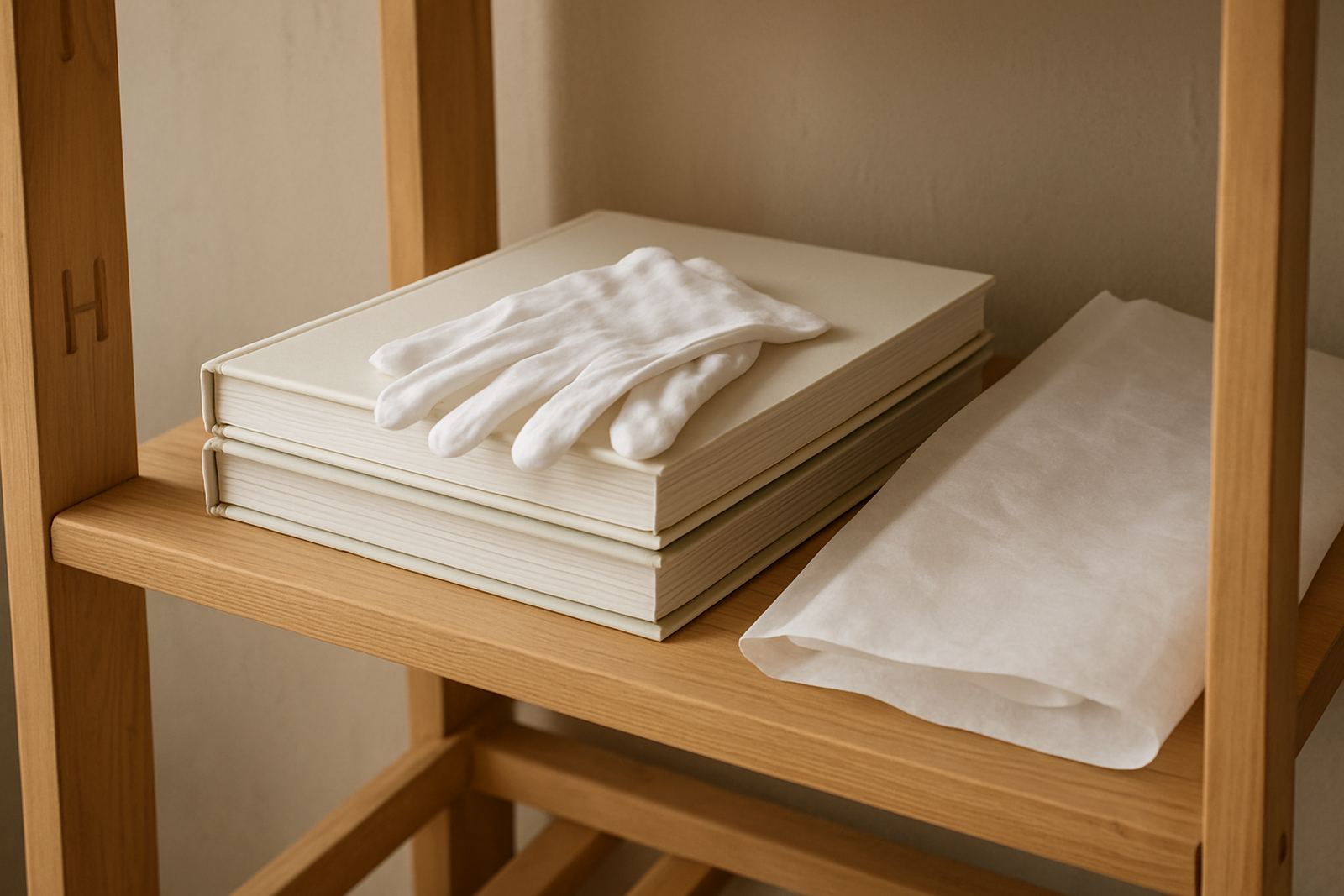
The biggest threat to a photo book is often where it is kept, not how often it is used. In Pretoria, homes can swing between dry winter air and summer humidity, so the safest spot is a room that stays fairly stable, away from direct sun, kitchens and bathrooms. A closed cupboard in a bedroom or study is usually better than a shelf near a window.
Keep photo books off the floor, especially in areas where a plumbing leak or wet mop could reach them. If you live near the east side of Pretoria where summer storms can push damp air into the house, it is worth checking your storage spot every few weeks. The book should sit flat, with no heavy items pressing on top of it.
- Store photo books upright or flat, never leaning at a strong angle for long periods.
- Leave a little space so the covers are not squeezed by other items.
- Keep them out of direct sunlight, which can fade covers and soften adhesives.
Handle the pages with dry hands and steady pressure
Photo books are meant to be handled, but the way you open them matters. Always wash and dry your hands before turning the pages, especially if you have just used hand cream, cooking oils or sunscreen. Those small marks build up over time and can transfer to glossy pages. If children are looking through a family book, guide them by the edges rather than letting fingers drag across the print.
Open the book from the centre and turn pages slowly, not by pulling from the corner. Lay it on a clean table or lap while reading, instead of gripping one cover in the air for a long time. A bit of care keeps the spine from straining. If the book is large or heavy, support both covers when moving it from one room to another.
- Do not bend the cover back on itself.
- Avoid sticky notes or paper clips that can mark the pages.
- Keep drinks, candles and food away from the book while it is open.
Protect the cover from dust, heat and daily wear
Dust is easy to ignore, but over months it can settle into edges and corners, then leave a dull look on the cover. Wipe the outside gently with a soft dry cloth now and then. Do not use household sprays or wet wipes unless you are sure they are suitable for printed surfaces, because some products can leave streaks or soften the finish. If the cover is textured or lightly coated, a dry cloth is safest.
Heat is another quiet problem. Books left in a parked car, a hot sunroom or next to a heater can warp slightly. In South African homes where load-shedding means lights and fans come on and off, people sometimes move books around during outages and forget them in warm places. Put the book back in its storage place once you are done with it. That habit helps more than most people think.
- Keep photo books away from heaters, stoves and car boots in summer.
- Use a soft brush or dry cloth to remove dust from the edges.
- Do not stack very heavy objects on top of the book for long periods.
Use proper packaging when you move or courier a book
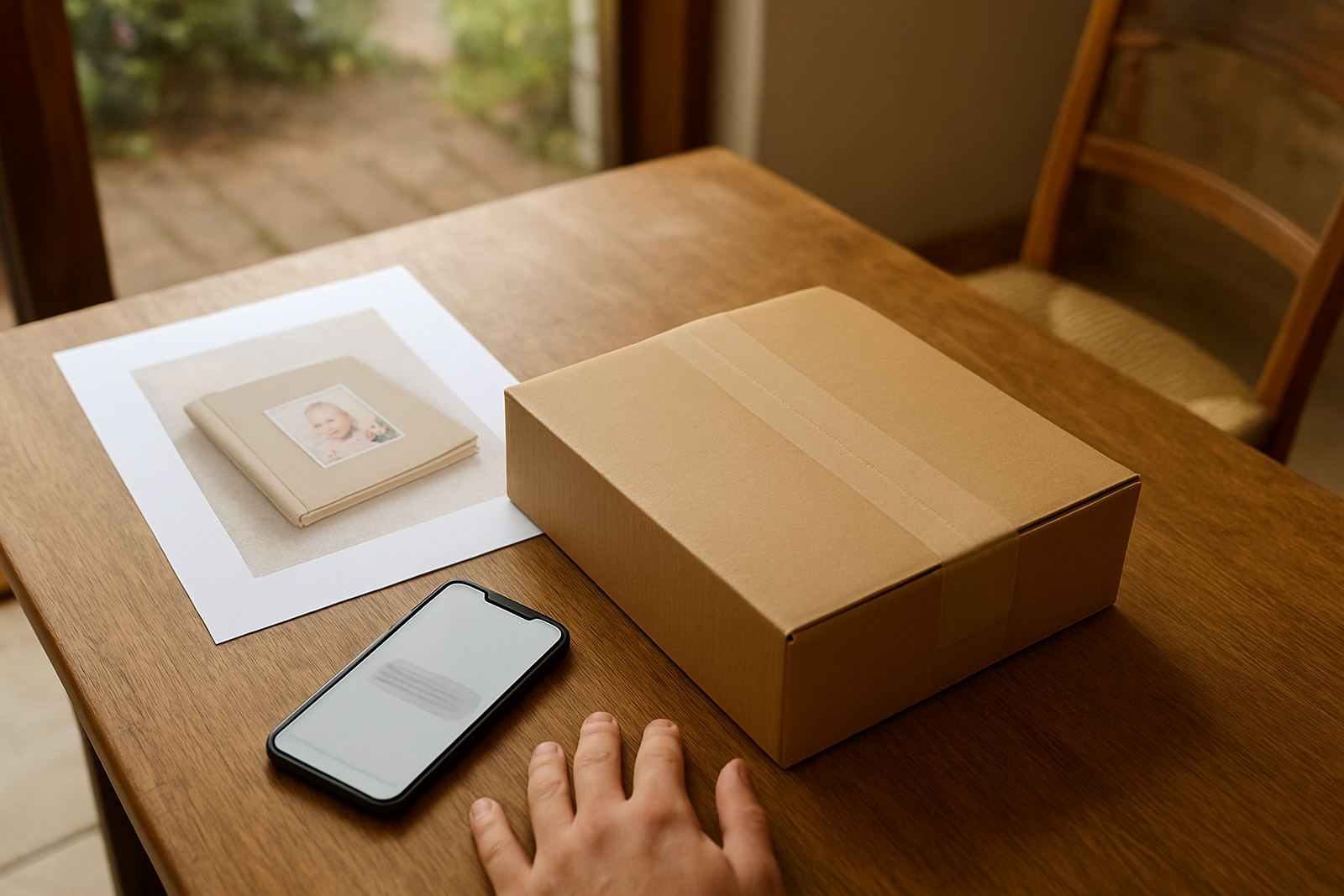
If you are sending a photo book to family in Durban, Bloemfontein or a smaller town through courier, packaging matters just as much as the book itself. A good inner wrap and a strong outer box help prevent corner knocks, bent covers and edge scuffing. The book should not rattle inside the parcel. If it moves, it can pick up bruising on the corners before it even reaches the recipient.
For personal collection points around Pretoria, keep the book in its packaging until you get home, especially if it is raining. Even a short trip from the car to the house can expose the cover to damp air. If you are sending a gift, ask for careful courier packaging so the book arrives neat and ready to hand over. The right wrap also helps during busy weeks when parcels are handled more than once.
- Choose a box that fits closely, with padding on all sides.
- Keep the book dry during collection and transit.
- Do not pack loose objects with the book that can rub against the cover.
Plan for long-term keeping, not just the first few months
Many people store photo books correctly at first, then forget them on a shelf where sunlight, dust and humidity slowly do their work. Long-term care is easier if you treat the book like a family record. Check it once or twice a year for edge wear, loose pages or any sign of moisture. If you notice a slight musty smell, move it to a drier room and let the area breathe, but never place the book in direct heat to dry it out quickly.
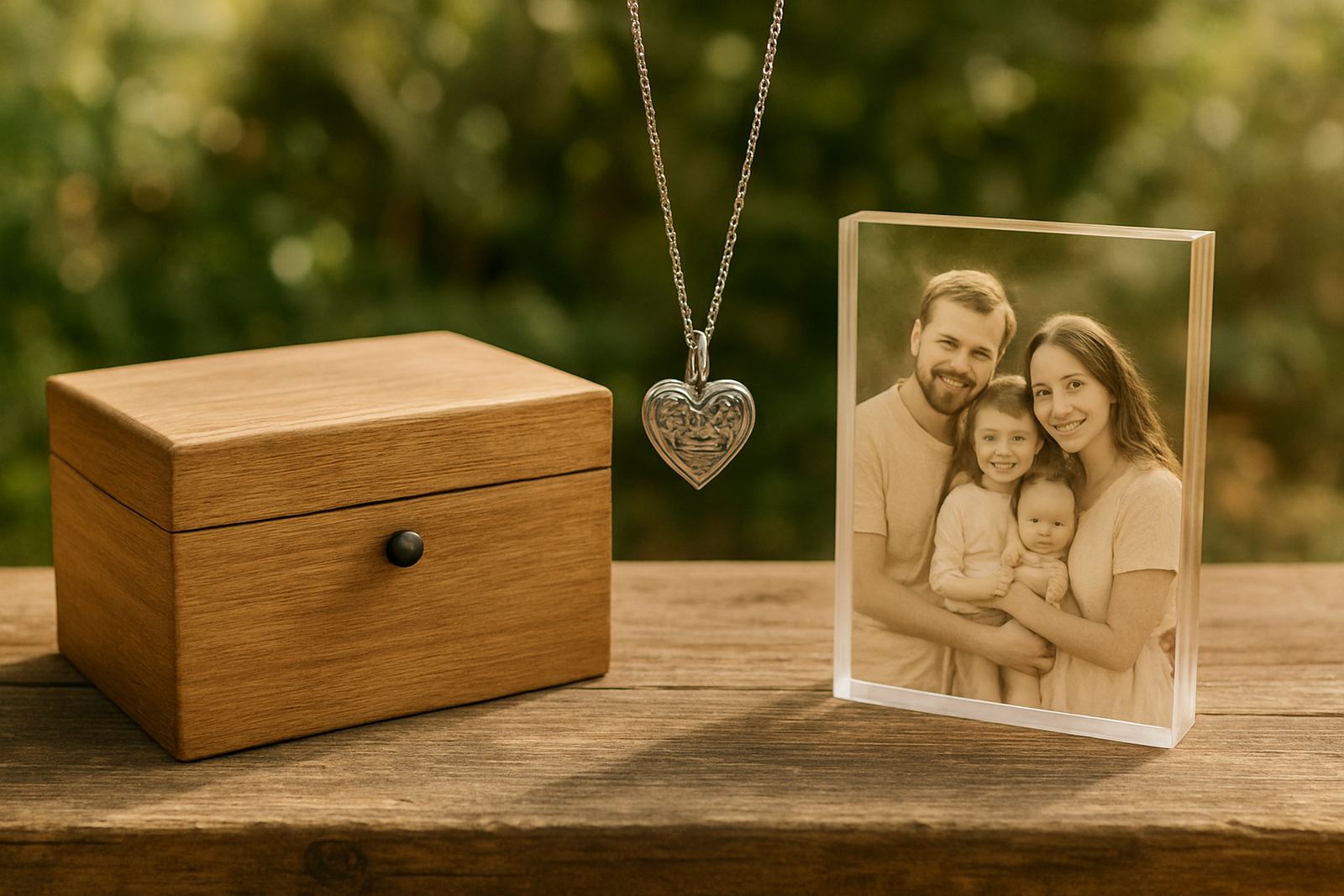
If a book holds a special event, a memorial tribute or a year-by-year family record, consider keeping it in a dedicated box with other keepsakes. That gives it a fixed home and reduces handling. In a Pretoria household where grandchildren, visitors and moving boxes all share storage space, a proper spot makes a real difference. It saves time when you want to find the book again and helps protect it from everyday clutter.
- Inspect stored books during seasonal changes, especially after summer rains.
- Keep them with other dry keepsakes, not near damp towels or old files.
- Label storage boxes clearly so the book is not pulled out by accident.
When a photo book is a gift, the presentation should also protect it
A photo book that is given as a gift often travels from one home to another, so the presentation needs to look good and keep the book safe. Gift boxing can add a neat outer layer, but the fit should still allow the book to rest without pressure on the spine or corners. If the book is for a birthday, anniversary or remembrance gift, it helps to keep the outer wrapping simple and practical rather than overstuffed with ribbons or hard decorations that may press into the cover.
For family orders, it can help to include a short note inside the package explaining how to store the book properly once it has been opened. That is especially useful for older relatives who may keep it in a living room where sun reaches the shelves in the morning. A little guidance goes a long way, and it means the book is more likely to stay in good condition for years, not just weeks. It also means the memories inside are easier to share with the next generation.
At Beloved in Lynnwood, Pretoria, photo books are handled with the same care as the stories they hold.